

In modern industrial facilities, compressed air is often referred to as the “fourth utility.” Its reliability is as critical as electricity or water for powering pneumatic tools, automation systems, and sensitive process instruments. However, the efficiency of an air system is entirely dependent on the quality of its monitoring. Without accurate air compressor and air dryer instrumentation, systems are prone to energy waste, moisture carryover, and premature equipment failure.
Instrumentation acts as the “eyes and ears” of the compressed air circuit. By monitoring pressure, flow, and dew point in real-time, industrial operators can ensure they meet ISO 8573-1 air quality standards while preventing the corrosive effects of liquid water in downstream piping. For EPC contractors and plant managers, high-precision instrumentation is the key to transforming a high-energy-consuming asset into a streamlined, cost-effective power source.

Role of Instrumentation in Compressed Air Systems
Reliable measurement and control are essential for managing the dynamic nature of air compression and treatment:
-
Energy Optimization: Detecting pressure drops across filters and identifying leaks can reduce power consumption by up to 30%.
-
Moisture Control: Monitoring the Pressure Dew Point (PDP) in air dryers ensures that water vapor does not condense into liquid, which causes rust and clogs pneumatic valves.
-
System Protection: Sensors provide early warnings for overheating in compressor stages or switching failures in desiccant towers.
-
Predictive Maintenance: Real-time data allows for service based on actual equipment health rather than arbitrary calendar dates.
Key Instruments for Air Compressor & Dryer Systems
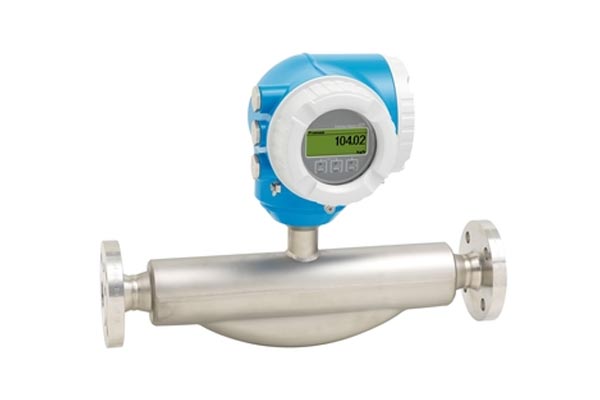
Flow Meter for Air Compressor Systems
Flow meters are essential for quantifying air demand and identifying costly system leaks. By measuring the volume of air consumed, operators can calculate the Specific Power Consumption (SPC) of the plant.
-
Thermal Mass Flow Meters: Preferred for compressed air as they provide direct mass flow measurement without needing separate temperature or pressure compensation.
-
Vortex Flow Meters: Highly effective for high-velocity air discharge lines where durability and a wide turndown ratio are required.
Level Transmitter for Condensate Management
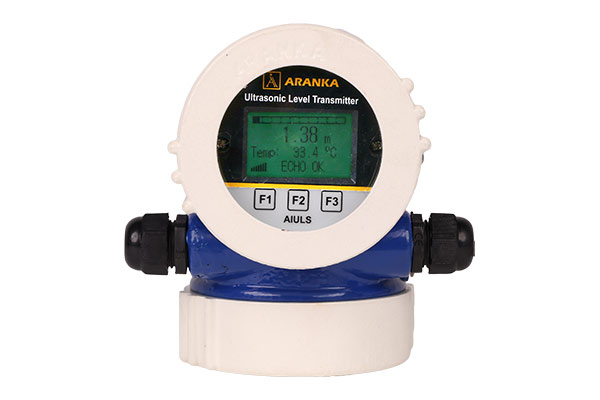
Level transmitters ensure that moisture separators and air receivers are drained efficiently without losing pressurized air.
-
Capacitive Level Sensors: Ideal for oil-water condensate mixtures, providing precise control for electronic drain valves.
-
Ultrasonic Level Transmitters: Used in large lubricant tanks or bulk condensate storage to provide non-contact monitoring.
Pressure Transmitter for System Control
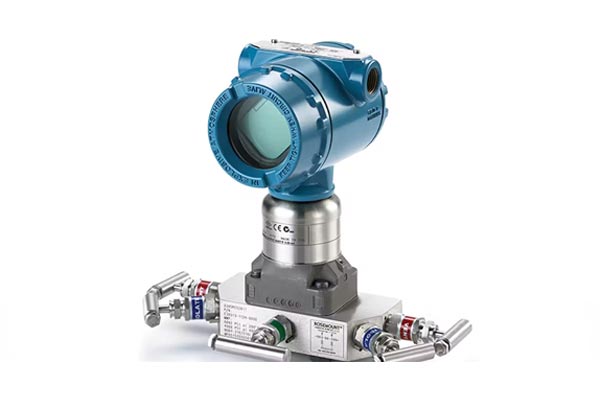
The foundation of compressor safety and efficiency, pressure transmitters manage the load/unload cycles of the machine.
-
Differential Pressure (DP) Transmitters: Critical for monitoring the “health” of oil separators and intake filters; high DP indicates it is time for a filter change.
-
Gauge Pressure Transmitters: Installed at the discharge and receiver tank to ensure the system operates within safe structural limits.
Temperature Sensor for Thermal Protection
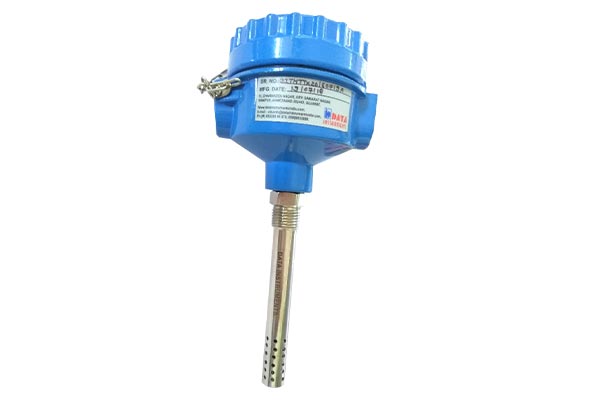
Accurate temperature monitoring prevents oil carbonization and protects the compressor element from catastrophic thermal failure.
-
RTDs (Pt100): Used for high-accuracy monitoring of discharge air and lubricant temperatures.
-
Thermocouples: Preferred for rapid-response monitoring in high-temperature heat-of-compression (HOC) dryers.


Analytical Instruments for Air Purity
Ensuring “Class 0” air quality is mandatory for sensitive industries like pharmaceuticals and food processing.
-
Oil Vapor Sensors: Continuously monitor trace hydrocarbons to ensure that filtration stages are successfully removing lubricants.
-
Particulate Counters: Measure the concentration of solid particles to comply with stringent ISO 8573-1 purity standards.
Humidity Sensor for Intake Air
Monitoring the humidity of intake air allows the system to predict the moisture load on the downstream dryers.
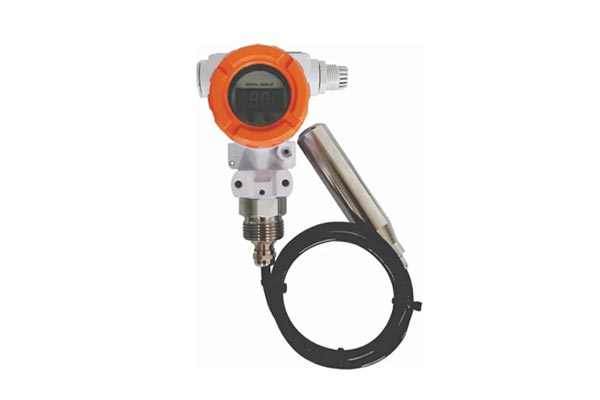
Gas Transmitter for Safety and Generation
Used in gas compression or nitrogen/oxygen generation plants to ensure operator safety and gas purity.
-
Oxygen Transmitters: Essential in nitrogen generation systems to ensure the output gas meets the required purity levels.
-
Toxic/Combustible Gas Detectors: Installed in the compressor room to detect refrigerant leaks or hazardous gas buildup.
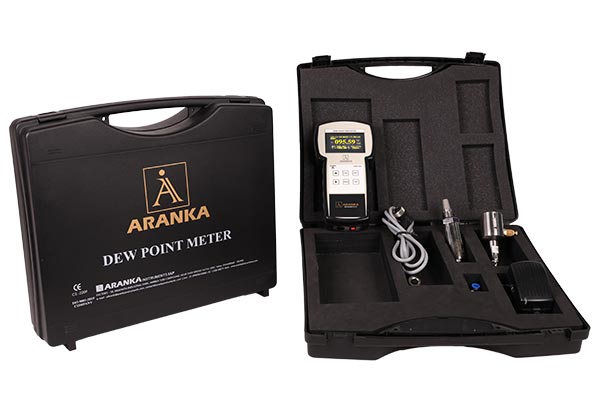
Dew Point Meter for Air Dryer Performance
The most critical instrument for any air dryer, the dew point meter guarantees that the air is dry enough to prevent downstream corrosion.
-
Ceramic/Capacitive Dew Point Sensors: Designed for desiccant dryers to measure ultra-low Pressure Dew Points (PDP) down to -40°C or -70°C.
-
Refrigeration Dew Point Monitors: Specifically tuned to monitor the +3°C range for refrigerated air dryers.
Applications of Air System Instrumentation
Compressor House Monitoring
Integrating power meters with flow and pressure sensors allows for the calculation of Specific Power Consumption (SPC)—the amount of energy required to produce a unit of compressed air. This is the gold standard for efficiency auditing.
Desiccant Tower Switching
In heatless or heated regenerative dryers, instrumentation controls the switching valves between towers. Accurate sensors prevent “wet air spikes” during tower changeovers.
Point-of-Use Monitoring
Installing dew point and pressure sensors at the end of long distribution lines ensures that air quality hasn’t degraded due to pipe corrosion or ambient temperature drops.
Automatic Condensate Drains
Level-sensing electronic drains ensure that collected water is discharged from receivers and dryers without wasting valuable compressed air—a common issue with simple timer-based drains.
Why Choose a Specialized Instrumentation Manufacturer?
Compressed air environments are uniquely challenging, involving high-speed pulsations, oil aerosols, and rapid temperature shifts.
-
Ruggedized Design: Our sensors are built to withstand the vibration and heat of the compressor room.
-
Application Expertise: We assist in selecting the correct sensor technology (e.g., choosing between chilled mirror or capacitive dew point sensors).
-
Seamless Integration: Our instruments feature standard outputs (4-20mA, Modbus RTU) for easy connection to existing PLCs and SCADA systems.
-
Local Support in India: Benefit from rapid calibration services and on-site technical support for large-scale industrial projects.
Benefits of Using Reliable Instrumentation
Investing in premium-grade sensors for your air package delivers immediate ROI:
-
Zero Downtime: Prevent moisture-related “slugs” of water from reaching and damaging expensive production machinery.
-
Significant Energy Savings: Operating at a lower system pressure (enabled by reducing pressure drops) directly slashes electricity bills.
-
Extended Desiccant Life: Sensors prevent over-saturation of desiccant beads, extending their replacement cycle.
-
Quality Assurance: Provides a digital audit trail for ISO compliance and internal quality control.
Frequently Asked Questions (FAQs)
-
What is “Pressure Dew Point” and why does it matter more than atmospheric dew point? Water vapor condenses at higher temperatures when air is under pressure. Pressure Dew Point (PDP) is the temperature at which condensation occurs at current line pressure. Monitoring PDP is the only way to guarantee that liquid water won’t form inside your distribution pipes.
-
Where is the best location to install a dew point sensor? For maximum protection, a dew point sensor should be installed at the outlet of the air dryer. Additionally, for large facilities, installing sensors at “point-of-use” locations helps detect if moisture is entering the system through leaks in the piping network.
-
How often should compressed air flow meters be calibrated? To maintain accuracy for energy auditing, we recommend annual calibration. Because air systems often contain trace oil and particulates, sensors should also be inspected periodically for contamination on the sensing element.
-
Can instrumentation help detect air leaks? Absolutely. By monitoring flow during non-production hours (e.g., weekends), a Thermal Mass Flow Meter can quantify the “base load” created by leaks. Reducing this base load is the fastest way to lower industrial energy costs.
-
Why is differential pressure (DP) monitoring critical for air filters? A clogged filter forces the compressor to work harder to maintain downstream pressure. By monitoring the DP, you can replace filters exactly when they become inefficient, rather than waiting for a scheduled date, thus optimizing both maintenance costs and energy use.