
In the modern industrial world, knowing exactly how much liquid moves through a pipe is not just a preference; it is a necessity. To get this right, companies often seek out a reliable Electromagnetic Flow Meter Manufacturer to provide tools that ensure accuracy and efficiency. Whether you are managing a massive city water supply or a sensitive chemical laboratory, precision is the difference between a smooth operation and a costly disaster.
Industries like water treatment and chemical processing face unique hurdles every day. They often deal with “dirty” liquids, thick slurries, or highly corrosive acids that would quickly destroy standard mechanical meters. This is where electromagnetic technology shines. Unlike old-fashioned meters with spinning parts that get stuck or wear out, this technology uses the power of physics to measure flow without ever touching the liquid with moving parts. It is a game-changer for durability and long-term savings.
Industrial Measurement Guide
Tracking Every Drop: The Ultimate Guide to Electromagnetic Flow Meters
Precision measurement for water treatment, chemical processing & industrial applications — by your trusted Electromagnetic Flow Meter Manufacturer in Ahmedabad.
Why Precision Flow Measurement Matters
In the modern industrial world, knowing exactly how much liquid moves through a pipe is not just a preference – it is a necessity. To get this right, companies often seek out a reliable Electromagnetic Flow Meter Manufacturer to provide tools that ensure accuracy and efficiency. Whether you are managing a massive city water supply or a sensitive chemical laboratory, precision is the difference between a smooth operation and a costly disaster.
Industries like water treatment and chemical processing face unique hurdles every day. They often deal with “dirty” liquids, thick slurries, or highly corrosive acids that would quickly destroy standard mechanical meters. This is where electromagnetic technology shines. Unlike old-fashioned meters with spinning parts that get stuck or wear out, this technology uses the power of physics to measure flow without ever touching the liquid with moving parts. It is a game-changer for durability and long-term savings.
Key Advantages
- ✓No moving parts — zero wear
- ✓Handles corrosive liquids
- ✓Measures thick slurries
- ✓Lasts 10–20 years
- ✓Extremely accurate readings
The Science Behind Electromagnetic Flow Measurement
At the heart of every Magnetic Flow Meter is a rule of physics discovered long ago called Faraday’s Law of Induction. Don’t let the name scare you! It is actually a very simple concept to understand.
Think of a water pipe like a busy highway. Imagine that the water moving through the pipe is like a stream of tiny magnets. Faraday discovered that if you move a conductive material (like water) through a magnetic field, it creates electricity. The faster the water moves, the more electricity it creates. By measuring that tiny bit of electricity, we can tell exactly how fast the water is flowing.
The Conductivity Rule
The liquid must conduct electricity (like water or chemicals). It won’t work on pure oil or distilled water.
The Speed Connection
If the water stops, the voltage drops to zero. If it speeds up, the voltage rises — a direct, real-time relationship.
The Direct Link
The electricity created is directly tied to flow speed, making the measurement incredibly accurate and reliable.
Inside an Electromagnetic Flow Meter Manufacturer’s Design
When an Electromagnetic Flow Meter Manufacturer in Ahmedabad builds these devices, they focus on four key components:
The Flow Tube
The main body, lined with special material like Teflon or Rubber so chemicals don’t corrode the metal.
The Magnetic Coils
Placed outside the tube, they create a steady magnetic field passing through the pipe and liquid.
The Electrodes
Two small metal sensors inside the pipe that “listen” for the electricity generated by moving liquid.
The Transmitter
The “brain” — takes the tiny signal from electrodes and converts it into readable numbers on screen.
Step-by-Step Working Principle of Magnetic Flow Meter
Liquid Enters the Pipe
The liquid (like wastewater or a chemical mix) flows into the meter’s sensor body.
Magnetic Field Generated
The coils inside the meter create a powerful magnetic field that cuts across the entire pipe and liquid inside.
Voltage Created
As the conductive liquid moves through that magnetic field, a small voltage (electricity) is produced — this is Faraday’s Law in action.
Voltage Captured
The two electrodes on the sides of the pipe precisely pick up and capture this generated voltage signal.
Signal Converted to Flow Rate
The transmitter calculates speed based on the voltage and converts it into a readable flow rate — e.g., “100 Litres per Minute.”
Why Water Treatment Plants Prefer Electromagnetic Flow Meter Suppliers
Water plants handle everything from clean drinking water to thick, muddy sewage. They often contact an Electromagnetic Flow Meter Supplier because these meters have no “moving parts” inside the pipe — meaning nothing can get clogged by debris or rags found in sewage.
The absence of moving parts also means dramatically reduced maintenance costs and virtually zero downtime — critical advantages for facilities that must operate around the clock every single day of the year.
💧
Wastewater Plants
No propeller to get stuck — these meters measure thick sludge without breaking or requiring constant maintenance.
🏙️
Drinking Water Systems
Very accurate — ensures a city doesn’t lose track of thousands of gallons of treated, potable water.
🌾
Irrigation Systems
Farmers use them to ensure every field gets the exact amount of water needed, preventing waste during droughts.
Applications in Chemical Processing Industries
Chemical plants are tough environments. Acids and bases can melt plastic and rust iron. Because a Magnetic Flow Meter can be lined with special materials, it is the perfect choice for these demanding applications.
Advantages of Choosing an Electromagnetic Flow Meter Manufacturer in Ahmedabad
Ahmedabad has become a massive hub for industrial engineering. Choosing a local manufacturer offers several practical perks for plant owners and engineers.
Local Engineering Support
A technician can often visit your site quickly. You aren’t waiting for a part to ship from halfway across the world.
Custom Manufacturing
Get a meter built specifically for your pipe size or chemical type — tailored solutions off-the-shelf products can’t match.
Faster Installation
Having a local partner ensures reliable after-sales service, keeping your factory running without long costly downtimes.
When Magnetic Flow Meter Performs Better Than Other Flow Meters
Mag meters win because they don’t have gears or fans that wear out. Mechanical meters slow down over time — mag meters stay accurate indefinitely.
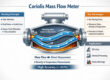
Turbine meters break when small debris hits the spinning blade. The mag meter’s internal “hallway” is completely empty and smooth — no moving parts to damage.
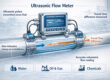
Sound waves get “confused” by bubbles. Magnetic fields are unaffected — making mag meters ideal for bubbly or particle-filled liquids.
Installation Tips for Better Industrial Flow Measurement System Performance
✅
Pipe Grounding
You must ground the meter to the pipe. This prevents “stray” electricity from interfering with the tiny voltage readings and causing inaccurate measurements.
✅
Full Pipe Condition
The meter only works if the pipe is 100% full of liquid. If there is air at the top, the math will be wrong and readings will be unreliable.
✅
Proper Electrode Alignment
Ensure the electrodes are positioned on the sides (horizontal), not the top and bottom, to avoid air bubble or sediment interference.
✅
Avoid Air Bubbles
Try to install the meter on a vertical pipe where the liquid flows upward. This keeps air from getting trapped inside and affecting accuracy.
Common Problems Solved by Electromagnetic Flow Meter Supplier Solutions
Dirty Liquids
In mining or paper mills, liquids are full of grit. A standard meter would be sanded to nothing, but a mag meter with a hardened liner handles it easily and consistently.
Corrosive Chemicals
By using exotic metals for electrodes (like Tantalum or Platinum), manufacturers create a meter that measures the strongest acids without corroding or melting.
Thick Conductive Fluids
For thick conductive fluids like yogurt or slurry, the mag meter provides a clear, reliable reading where all other meter types consistently fail.
Future Trends in Electromagnetic Flow Measurement Technology
The world of measurement is getting smarter. Here’s what’s coming next in flow measurement technology:
Smart Sensors
AI-powered sensors can tell you if the meter is getting dirty or if a part is about to fail — before it actually does.
Digital Monitoring & Industry 4.0
The meter sends data to the cloud so a manager can check factory flow in real time from anywhere in the world.
Remote Diagnostics
Engineers fix software issues without ever touching the meter — saving time, travel costs, and minimising factory downtime.
Frequently Asked Questions
1. What is an Electromagnetic Flow Meter?
It is a device that uses a magnetic field to measure how fast a conductive liquid moves through a pipe. It has no moving parts, making it highly durable and accurate.
2. Why should I buy from an Electromagnetic Flow Meter Manufacturer?
Buying directly ensures you get the right liner and electrode materials for your specific liquid, plus better technical support and custom configurations.
3. Does a Magnetic Flow Meter work with oil?
No. Oil does not conduct electricity. These meters only work with conductive liquids like water, acids, and pulps.
4. Is an Electromagnetic Flow Meter Supplier necessary for installation?
While you can install it yourself, a supplier provides grounding rings and expert setup advice needed for the most accurate results.
5. How long do these meters last?
Because they have no moving parts to wear out, a high-quality meter can easily last 10 to 20 years with basic care.
6. Can I use these for chemical dosing?
Yes. They are very popular in the chemical industry for measuring precise amounts of liquids being mixed together with exceptional accuracy.
7. Why look for an Electromagnetic Flow Meter Manufacturer in Ahmedabad?
Ahmedabad is a hub for these devices, offering high-quality engineering, competitive pricing, custom solutions, and fast shipping.
8. What is an Industrial Flow Measurement System?
It is a complete setup including the meter, wiring, and the software used to track and control liquid movement throughout a factory.
9. Do bubbles affect the reading?
Large amounts of air can cause errors. It is best to install the meter in a spot where the pipe stays completely full of liquid at all times.
10. Are they expensive to maintain?
No. Since there are no bearings or propellers to replace, the maintenance cost is much lower than mechanical meters — saving you money for decades.
Ready to Upgrade Your Flow Measurement System?
Choosing the right tool for flow measurement is the backbone of a successful industrial operation. By working with a trusted Electromagnetic Flow Meter Manufacturer, you ensure that your plant stays efficient, your costs stay low, and your measurements stay accurate.
Whether you are dealing with wastewater or harsh chemicals, the Magnetic Flow Meter offers a level of reliability that other technologies simply cannot match. Reach out to a local Electromagnetic Flow Meter Supplier — they can help you pick the right materials and designs to fit your specific needs, ensuring your Industrial Flow Measurement System runs perfectly for years to come.