

In the modern industrial landscape, Effluent Treatment Plants (ETP) and Sewage Treatment Plants (STP) are no longer just utility units; they are critical components of environmental stewardship and operational sustainability. The efficacy of these treatment facilities depends entirely on the precision of the data driving them. Accurate ETP / STP instrumentation is the backbone of effective wastewater management, ensuring that complex physical, chemical, and biological processes remain within strictly defined parameters. For EPC contractors and plant engineers, high-performance instrumentation is essential for optimizing chemical dosing, reducing energy consumption, and protecting downstream equipment. Furthermore, with increasingly stringent norms set by the Central Pollution Control Board (CPCB) and State Pollution Control Boards (SPCB), real-time monitoring through reliable instrumentation for wastewater treatment plants is mandatory for regulatory compliance and environmental safety.

The Role of Instrumentation in ETP / STP Plants
Instrumentation serves as the “sensory system” of a treatment plant. In an ETP or STP, the environment is often harsh, involving corrosive chemicals, abrasive solids, and fluctuating flow rates. Without robust measurement tools, operators are left to rely on manual sampling, which is reactive rather than proactive.
Integrated water treatment instrumentation allows for:
-
Process Automation: Automating pump operations based on level or flow data.
-
Chemical Optimization: Precise dosing of coagulants, flocculants, and neutralizing agents based on real-time analytical feedback.
-
Energy Efficiency: Controlling aeration blowers based on Dissolved Oxygen (DO) levels to prevent energy wastage.
-
Quality Assurance: Continuous monitoring of discharge parameters to ensure treated water meets environmental standards before reuse or release.
Key Instruments Used in ETP / STP Water Treatment
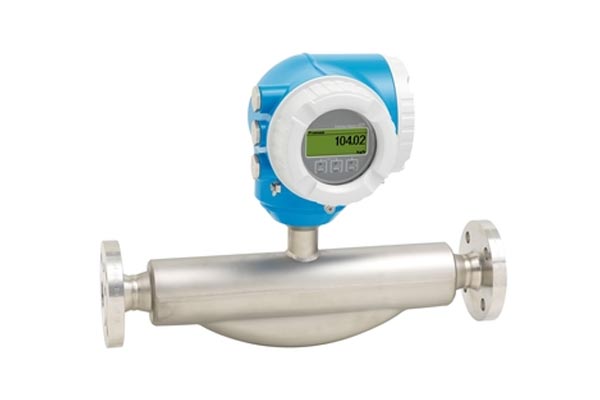
Flow Meter for ETP / STP Water Treatment
Flow meters are essential for tracking the volume of influent and effluent water. Accurate flow data is necessary for calculating hydraulic loading rates, managing chemical dosing, and reporting discharge volumes to regulatory bodies.
-
Electromagnetic Flow Meters: The industry standard for flow meters for ETP STP, these provide obstruction-less measurement and are ideal for conductive fluids like raw sewage or industrial effluent.
-
Ultrasonic Flow Meters (Open Channel): Used in V-notches or flumes for measuring raw water intake or final treated discharge.
Level Transmitter for ETP / STP Water Treatment
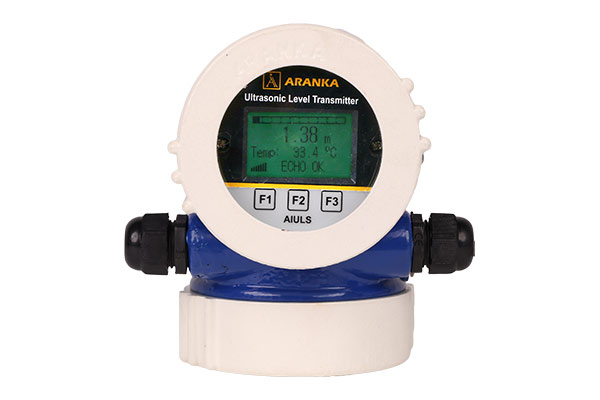
Level transmitters ensure that collection sumps, aeration tanks, and chemical storage units operate within safe limits, preventing overflows and protecting pumps from dry-running.
-
Ultrasonic Level Transmitters: Non-contact sensors ideal for equalization tanks and chemical storage where the media might be corrosive or contains debris.
-
Hydrostatic Level Transmitters: Submersible sensors that provide reliable head-pressure-based level data in deep sumps or lift stations.
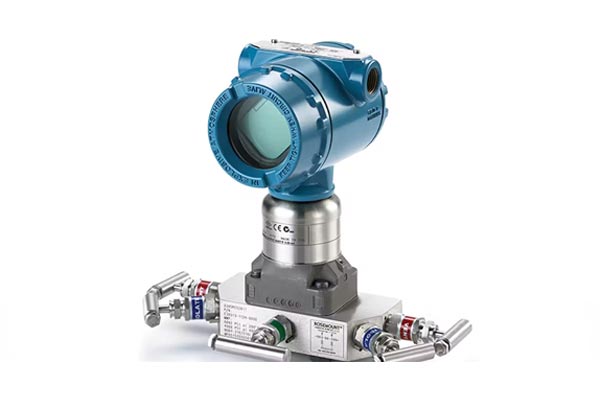
Pressure Transmitter for ETP / STP Water Treatment
Pressure monitoring is vital for evaluating the efficiency of filtration systems like Multi-Grade Filters (MGF), Activated Carbon Filters (ACF), and Ultrafiltration (UF) membranes.
-
Differential Pressure (DP) Transmitters: Used across sand filters, carbon filters, and Ultrafiltration (UF) membranes to detect clogging and trigger backwash cycles.
-
Gauge Pressure Transmitters: Monitor pump discharge lines to ensure the system is operating within safe mechanical limits.
Temperature Sensor for ETP / STP Water Treatment
Biological treatment efficiency in STPs is highly temperature-dependent. Sensors ensure that the wastewater remains within the optimal range for microbial activity in anaerobic and aerobic digesters.
- RTDs (Pt100): Ruggedized, stainless-steel encased sensors designed to withstand the corrosive environment of aeration tanks while providing high-accuracy thermal data.


Analytical Instruments for ETP / STP Water Treatment
Analytical sensors are the most critical components for verifying that treated water meets legal discharge standards for pH, purity, and oxygen levels.
-
pH Sensors: Essential for neutralization stages to ensure effluent is neither too acidic nor alkaline.
-
Conductivity Meters: Used to monitor Total Dissolved Solids (TDS) and the efficiency of Reverse Osmosis (RO) systems.
-
Dissolved Oxygen (DO) Sensors: The primary control parameter for aeration tanks in STPs to maintain the health of aerobic bacteria.
Humidity Sensor for ETP / STP Water Treatment
Humidity monitoring is used in electrical control rooms to prevent corrosion of sensitive electronics and in sludge drying areas to optimize dewatering processes.
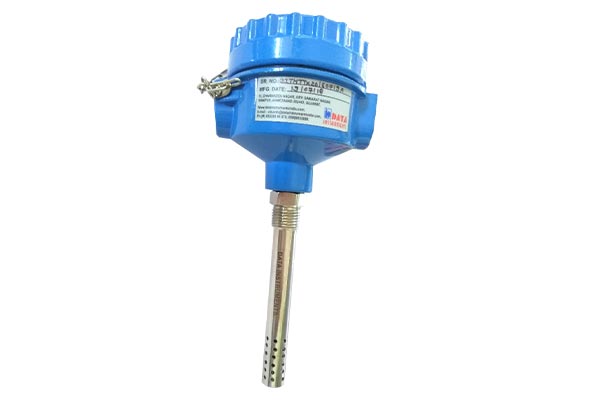
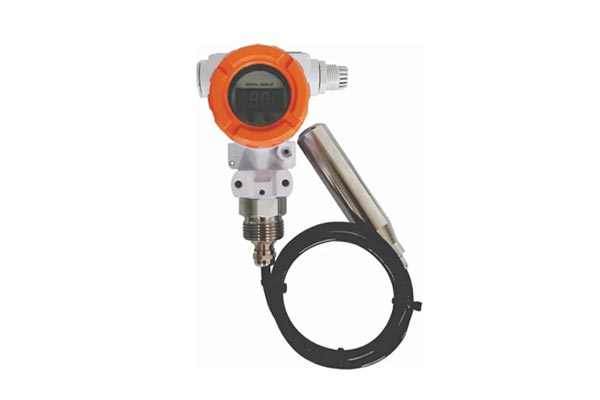
Gas Transmitter for ETP / STP Water Treatment
STPs and ETPs often generate hazardous gases as a byproduct of organic decomposition or chemical reactions. Gas transmitters are mandatory for personnel safety.
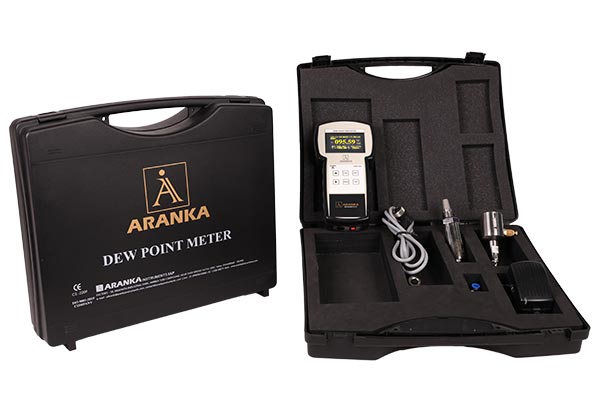
Dew Point Meter for ETP / STP Water Treatment
For plants utilizing pneumatic actuators and valves, dry instrument air is required to prevent valve failure and internal corrosion.
Applications of ETP / STP Instrumentation
Equalization and Raw Sump Tanks
In the initial stages, level transmitters for STP and ETP sumps manage the equalization of flow. This ensures that the biological reactors receive a steady, controlled volume of wastewater, preventing hydraulic shocks that could disrupt the treatment process.
Aeration Tanks (Secondary Treatment)
The aeration process is the most energy-intensive part of wastewater treatment. By utilizing DO sensors and VFD-linked controllers, the oxygen supply can be throttled based on demand, ensuring optimal microbial activity while significantly reducing power costs.
Clarifiers and Filtration Units
In clarifiers, level sensors monitor sludge blanket levels to optimize desludging frequencies. In tertiary treatment stages—such as Pressure Sand Filters (PSF) and Activated Carbon Filters (ACF)—pressure transmitters monitor the pressure drop to automate the cleaning process, extending the life of the media.
Sludge Handling Systems
Instrumentation assists in monitoring the density and flow of sludge being pumped to filter presses or drying beds, ensuring efficient dewatering and reducing disposal volumes.
Treated Water Discharge Monitoring
Final discharge monitoring is a legal requirement. Flow meters and analytical sensors (TSS, COD, BOD, and pH) provide the data logs required by environmental authorities to prove that the treated water is safe for the environment.
Why Choose an Experienced Instrumentation Supplier?
Selecting the right instrumentation is not merely a procurement task; it is an engineering decision. An experienced Indian manufacturer and supplier understands the local climate conditions, power fluctuations, and specific regulatory demands of the region.
-
Technical Expertise: We provide comprehensive application support, helping you select the right sensor metallurgy and technology for your specific effluent type.
-
Customized Solutions: From standalone sensors to complete instrumentation panels, we tailor products to fit your plant’s footprint and automation level.
-
Standard Compliance: Our instruments are manufactured to meet CE and ISO standards, ensuring they integrate seamlessly with international EPC projects.
-
Service & Support: Local presence ensures rapid calibration services, spare parts availability, and on-site technical assistance.
Benefits of Reliable Water Treatment Instrumentation
Investing in high-grade ETP STP instrumentation offers long-term operational advantages:
-
Unmatched Accuracy: Eliminates human error in measurement, leading to more predictable treatment outcomes.
-
Durability in Harsh Environments: Industrial-grade sensors with IP68 protection and corrosion-resistant materials (SS316L, PTFE, Hastelloy) withstand the rigors of wastewater.
-
Reduced Maintenance: Modern non-contact sensors (ultrasonic/radar) require minimal cleaning and calibration compared to mechanical alternatives.
-
Real-time Monitoring: Enables instant alerts for process deviations, preventing costly plant shutdowns or environmental fines.
-
Resource Conservation: Precise control over chemical dosing and aeration leads to significant savings in consumables and electricity.
Frequently Asked Questions (FAQs)
-
Why is an Electromagnetic Flow Meter preferred over other types for ETP/STP influent?
Electromagnetic flow meters are ideal because they have an unobstructed flow tube with no moving parts. This prevents clogging from the high concentrations of suspended solids, debris, and fibers typically found in raw sewage and industrial effluent. They are also highly resistant to the corrosive chemicals used in the treatment process. -
How does a Dissolved Oxygen (DO) sensor help reduce STP operational costs?
Aeration blowers are the largest energy consumers in a treatment plant. By using a DO sensor to monitor oxygen levels in real-time, the blowers can be automated to run only when needed. Maintaining an optimal DO level (usually around 2.0 mg/L) prevents energy wastage from over-aeration while keeping the aerobic bacteria healthy. -
What is the importance of monitoring ORP in industrial Effluent Treatment Plants?
Oxidation-Reduction Potential (ORP) is critical for treating toxic wastes. For example, in the treatment of electroplating waste, an ORP sensor confirms if Hexavalent Chromium has been successfully reduced or if Cyanide has been fully oxidized. It provides a more accurate picture of chemical reaction completion than pH alone. -
Can your level transmitters handle the foam and turbulence common in aeration tanks?
Yes. For tanks with heavy foam, we recommend Hydrostatic (Submersible) Level Sensors, as they measure the pressure of the liquid column and are unaffected by surface foam. For non-contact requirements, our Ultrasonic Level Transmitters feature advanced “false echo suppression” to filter out interference from turbulence and agitators. -
Why are Gas Transmitters mandatory in Sewage Treatment Plants?
STPs are prone to the buildup of Hydrogen Sulfide (H2S), which is highly toxic, and Methane (CH4), which is explosive. Gas transmitters are essential safety devices in wet wells, sludge pits, and enclosed areas to trigger ventilation and alarms, protecting workers from asphyxiation or explosions.