

In the evolving landscape of renewable energy, hydroelectric power remains a cornerstone of India’s grid stability. However, the operational success of a hydro power plant depends entirely on the precision of its control systems. Hydro power instrumentation is the nervous system of the plant, providing the critical data required to manage massive hydraulic forces safely and efficiently.
Accurate measurement and monitoring are not merely operational requirements; they are safeguards against catastrophic structural failure and equipment wear. From managing reservoir levels to optimizing turbine discharge, high-performance instrumentation for hydro power projects ensures that water—the primary fuel—is utilized with maximum thermodynamic efficiency. For EPC contractors and plant engineers, investing in industrial-grade sensors is the primary strategy for ensuring continuous power generation, regulatory compliance, and the long-term structural integrity of the dam and powerhouse.
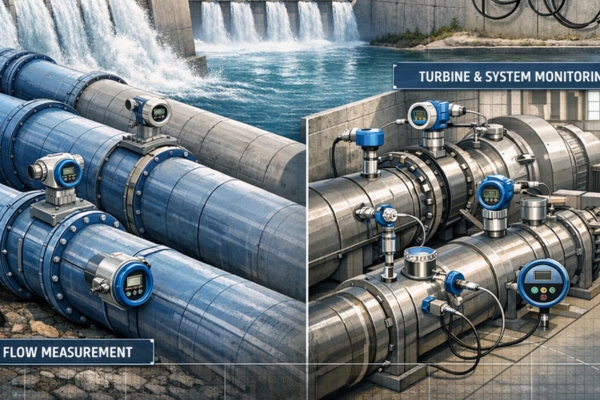
The Critical Role of Instrumentation in Hydro Power Plants
Modern hydroelectric facilities operate under extreme conditions, including high pressure, silt-heavy water, and remote environmental stressors. Instrumentation serves three primary functions:
By deploying robust hydro power plant instruments, operators can transition from reactive maintenance to predictive strategies, significantly reducing downtime.
- Water Resource Management: Precise monitoring of headwater and tailwater levels to calculate available potential energy.
- Operational Safety: Real-time pressure and flow data to prevent water hammer effects and cavitation in turbines.
- Automation and Control: Integration with SCADA systems to allow for remote operation and load balancing based on real-time grid demand.
Key Instruments for Hydro Power Projects
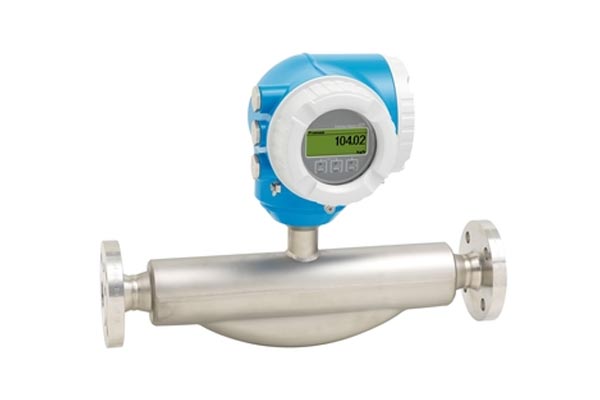
Flow Meter for Hydro Power Project
Flow meters are essential instruments in hydro power projects for accurate measurement of water flow through penstocks, pipelines, and turbine inlet systems. Precise flow measurement helps optimize turbine efficiency, regulate water distribution, and ensure stable power generation under varying load conditions. Designed to handle high flow rates and challenging environmental conditions, industrial flow meters provide reliable, real-time data that supports performance monitoring, energy optimization, and long-term operational safety in hydro power plants.
- Ultrasonic Flow Meters: Often preferred for large-diameter penstocks, these provide non-intrusive measurement without causing pressure drops.
- Electromagnetic Flow Meters: Ideal for cooling water lines and auxiliary systems where high accuracy and low maintenance are required.
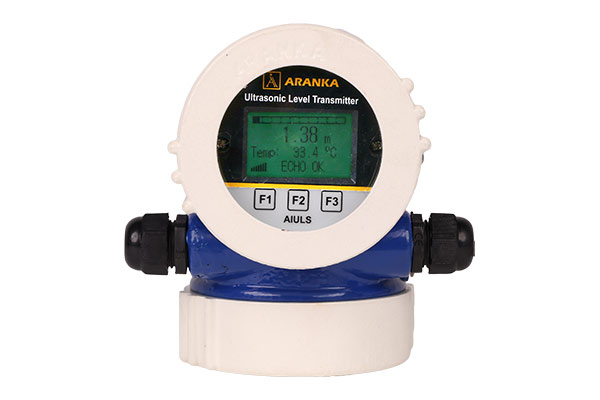
Level Transmitter for Hydro Power Project
Level transmitters play a critical role in hydro power projects by continuously monitoring water levels in dams, reservoirs, surge tanks, and intake channels. Accurate level measurement helps maintain optimal water head, prevents overflow or dry-run conditions, and ensures safe and efficient turbine operation. These instruments are designed to perform reliably under varying water levels, high humidity, and harsh outdoor environments commonly found in hydroelectric installations.
- Radar Level Transmitters: Non-contact sensors that provide millimeter-precise data regardless of surface turbulence or vapor.
- Hydrostatic Level Sensors: Submersible pressure-based sensors used for intake gates and drainage sumps.
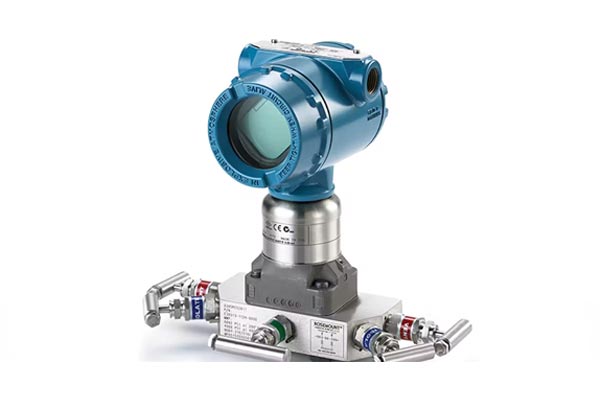
Pressure Transmitter for Hydro Power Project
Pressure transmitters are used in hydro power plants to measure water pressure within penstocks, pipelines, and turbine inlet systems. Precise pressure monitoring helps protect critical equipment from overpressure, leakage, and mechanical stress while maintaining stable operating conditions. Robust pressure transmitters ensure consistent performance even under high-pressure and high-flow conditions, supporting safe and efficient power generation.
- Differential Pressure (DP) Transmitters: Used to monitor trash rack fouling and filter health, ensuring unobstructed flow to the turbines.
Temperature Sensor for Hydro Power Project
Temperature sensors are essential for monitoring water temperature, bearing temperature, generator windings, and auxiliary systems in hydro power projects. Continuous temperature measurement helps prevent overheating, ensures equipment longevity, and supports predictive maintenance. These sensors are built for long-term stability and accuracy, enabling hydro power plants to operate efficiently with minimal downtime.
- Bearing Temperatures: Preventing overheating in the generator and turbine bearings.
- Stator Windings: Ensuring the electrical health of the generator.


Analytical Instruments for Hydro Power Project
Analytical instruments are used in hydro power plants to monitor water quality parameters such as pH, conductivity, turbidity, and dissolved oxygen. Maintaining proper water quality is important for protecting equipment, preventing corrosion, and complying with environmental regulations. Reliable analytical instrumentation ensures accurate real-time data, helping operators maintain safe and sustainable hydro power operations.
Humidity Sensor for Hydro Power Project
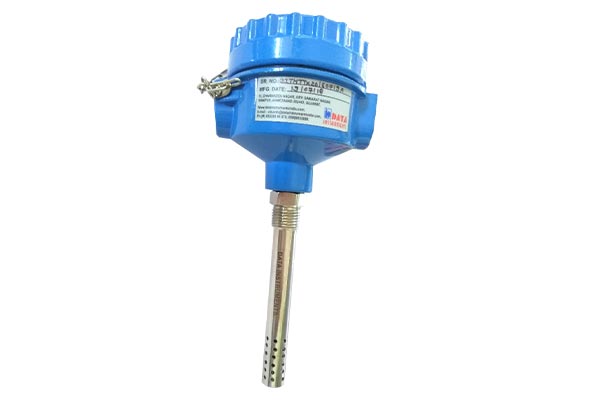
Humidity sensors are used in hydro power plants to monitor ambient moisture levels in control rooms, generator halls, and electrical enclosures. Maintaining optimal humidity helps protect sensitive equipment from insulation failure, corrosion, and condensation-related damage. Reliable humidity measurement supports environmental control, improves equipment lifespan, and ensures stable operating conditions throughout the hydro power facility.
Gas Transmitter for Hydro Power Project
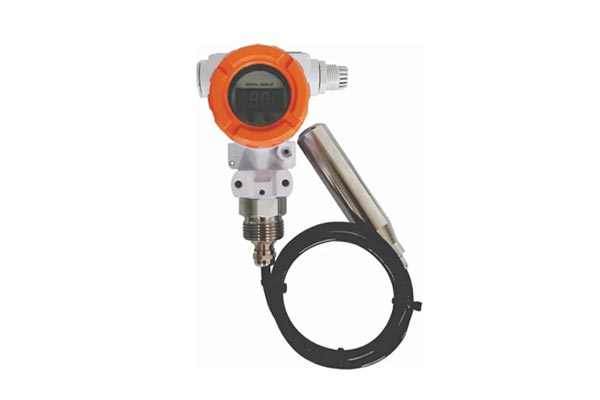
Gas transmitters enhance safety in hydro power projects by detecting and monitoring gases such as hydrogen, methane, or other process-related gases in generator areas, turbine halls, and enclosed spaces. Early gas detection helps prevent hazardous situations, enables timely alarms, and supports compliance with plant safety standards. These transmitters are built for fast response, high accuracy, and reliable performance in industrial power plant environments.
Dew Point Meter for Hydro Power Project
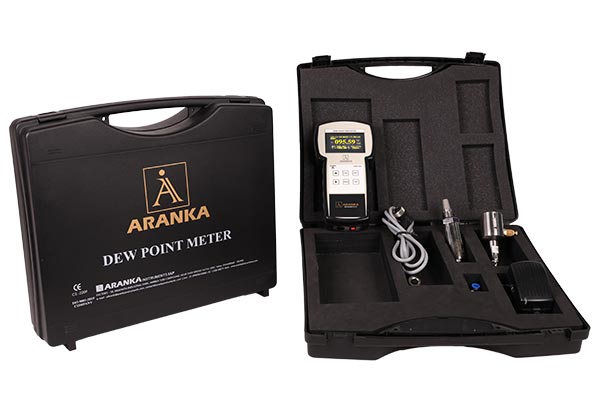
Dew point meters are critical instruments in hydro power projects for monitoring moisture levels in compressed air and control air systems used in turbines, switchgear, and automation panels. Accurate dew point measurement prevents condensation, corrosion, and malfunction of pneumatic and electrical components, ensuring long-term reliability of plant operations. Designed for continuous monitoring, these instruments support safe and efficient functioning of air-based control systems in demanding hydro power environments.
Applications of Hydro Power Instrumentation
Dam and Reservoir Level Monitoring
The safety of the dam structure relies on maintaining specific water levels. Our level transmitters for hydro power provide real-time data to control gate operations, preventing overtopping during monsoon surges.
Penstock Flow Measurement
Measuring the velocity and volume of water in the penstock allows engineers to calculate the “Water-to-Wire” efficiency. High-accuracy flow meters detect leaks early, preventing potential pipe bursts.
Turbine Inlet and Outlet Monitoring
By monitoring the pressure differential between the inlet and the draft tube, operators can identify signs of cavitation—a phenomenon that can erode turbine blades and lead to expensive overhauls.
Cooling and Auxiliary Water Systems
Instrumentation ensures that the cooling water flowing to the generator bearings and transformers is at the correct pressure and temperature, preventing thermal trips.
Why Partner with an Experienced Instrumentation Supplier?
- Customized Solutions: We provide instrumentation tailored to the specific head and flow conditions of your site, whether it is a Micro-Hydro project or a Mega-Dam.
- Engineering Support: From initial site survey and sensor selection to installation and commissioning.
- Compliance & Standards: All instruments are designed to meet international standards (IEC, ISO) and are ruggedized for the humid, high-vibration environment of a powerhouse.
- Execution Capability: A proven track record of supplying to major EPC players and state electricity boards across India.
Benefits of Using Reliable Instrumentation
- Enhanced Plant Efficiency: Small increments in measurement accuracy lead to significant gains in annual energy production (AEP).
- Extended Asset Life: Early detection of vibration, temperature spikes, or pressure surges protects multi-million dollar turbines.
- Reduced Maintenance Costs: Reliable sensors with low drift characteristics require less frequent calibration and intervention.
- Regulatory Compliance: Meets the stringent safety and reporting standards set by the Central Electricity Authority (CEA) and environmental boards.
Frequently Asked Questions (FAQs)
- Which flow meter technology is best for large-diameter penstocks?
For large penstocks, multi-path ultrasonic flow meters are typically recommended. They offer high accuracy for large pipe diameters, are non-intrusive (preventing pressure loss), and can be installed on existing pipes without significant downtime. - How do level transmitters handle turbulence in the reservoir?
Radar level transmitters using frequency modulated continuous wave (FMCW) technology are ideal. They use sophisticated algorithms to filter out surface agitation and foam, providing a stable and accurate reading of the actual water level. - Why is differential pressure monitoring important for trash racks?
Trash racks protect the turbine from debris. A Differential Pressure (DP) Transmitter measures the pressure drop across the rack. An increasing DP indicates a blockage, triggering an automated cleaning cycle or an alert for manual intervention. - Can these instruments withstand the high-vibration environment of a powerhouse?
Yes. Industrial hydro power plant instruments are specifically engineered with rugged housings and vibration-resistant electronics to ensure long-term stability near high-speed turbines and generators. - What is the typical lifespan of instrumentation in a hydro power plant?
When properly specified and maintained, high-quality industrial instrumentation can last 10 to 15 years, even in the demanding conditions of a hydroelectric facility.