
Importance of Ozone Analyzers in Water Treatment
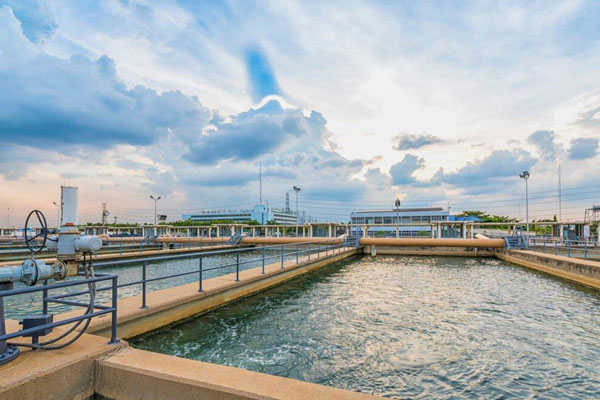
Water is the most important resource on our planet. In cities, factories, and homes, we need a constant supply of water that is clean, safe, and free from harmful germs. To make water safe, treatment plants use different methods to kill bacteria and remove pollutants. One of the most powerful and eco-friendly ways to do this is by using ozone gas.
While ozone is excellent at cleaning water, it must be used very carefully. You cannot see or smell ozone easily at low levels, and using too much or too little can cause problems. This is where the Ozone Analyzer comes in. This smart tool is the “eyes and ears” of a water treatment system, making sure that the water is perfectly purified every single time.
What is an Ozone Analyzer?
- Process Control: It tells the machines exactly how much ozone to produce.
- Safety: It monitors the air to make sure workers are not breathing in dangerous levels of gas.
- Quality Check: It ensures that by the time the water leaves the plant, it has been treated properly.
- Industrial Standard: Most modern plants use an industrial ozone analyzer because it can work 24 hours a day without stopping.
Why Ozone is Used in Water Treatment Plants
Applications of Ozone Analyzers
- Drinking Water Treatment Plants: Ensuring tap water is safe for millions of people.
- Wastewater Treatment Plants: Cleaning dirty water from homes and factories before it goes back into rivers.
- Swimming Pools: Using ozone instead of high levels of chlorine to keep water clear and prevent “red eyes.”
- Pharmaceutical Water Systems: Medicines must be made with ultra-pure water that is 100% sterile.
- Food and Beverage Industries: Washing fruits, vegetables, and bottles with ozonated water to kill germs.
- Industrial Water Treatment Systems: Protecting cooling towers and boilers from slime and bacteria buildup.
Why Ozone Analyzers Are Important in Water Treatment Plants
Ensures Accurate Ozone Monitoring
Every water source is different. Some water is very dirty and needs a lot of ozone, while cleaner water needs very little. A water treatment ozone analyzer provides real-time data so the plant operators know the exact dosage. This precision ensures the water is safe to drink.
Improves Water Treatment Efficiency
Efficiency means getting the best results with the least amount of waste. When an analyzer is linked to the ozone generator, it creates a “feedback loop.” If the ozone level drops, the generator works harder. If it rises too high, it slows down. This keeps the whole system running perfectly.
Prevents Overdosing and Underdosing
- Underdosing: If there isn’t enough ozone, bacteria can survive. This makes the water dangerous for the public.
- Overdosing: Using too much ozone wastes electricity and can damage pipes or pumps through oxidation. An industrial ozone monitoring system prevents both of these mistakes.
Supports Process Automation
Modern water plants don’t want to rely on manual checks every hour. An ozone analyzer for water plants can send signals directly to a computer system. This automation means the plant can adjust itself automatically, even in the middle of the night.
Helps Maintain Regulatory Compliance
Governments have very strict rules about water quality. To prove that a plant is following these rules, they must keep records. Modern analyzers have data logging features that record ozone levels every minute. This makes it easy to pass inspections and meet safety standards.
Reduces Operating Cost
Ozone is created using electricity. If you produce more ozone than you need, your electricity bill will be much higher than necessary. By using an accurate ozone measurement instrument, plants can lower their power usage and save a significant amount of money every year.
Improves Plant Safety
Ozone is great for water, but it is not good for human lungs. If a pipe leaks, it can be dangerous for workers. Many plants install an industrial ozone analyzer in the room where the gas is made. If the sensor detects ozone in the air, it can trigger an alarm or shut down the system instantly.
Ozone Analyzer vs. Manual Water Testing
| Feature | Ozone Analyzer (Online) | Manual Water Testing |
| Speed | Real-time (Every second) | Slow (Takes 5-10 minutes) |
| Accuracy | Very High (Electronic sensors) | Medium (Depends on human eye) |
| Labor | Automatic | Requires a worker |
| Safety Alarms | Included | None |
| Data History | Automatically saved | Must be written down |
| Cost over time | Low (Automatic) | High (Labor and chemicals) |
How to Choose the Right Ozone Analyzer
• Measurement Range: Do you need to measure a tiny amount (parts per billion) or a large amount (parts per million)?
• Accuracy Requirement: Some industries, like medicine, need much higher accuracy than others.
• Online or Portable Type: Online analyzers stay in one place and monitor 24/7. Portable ones are great for checking different parts of the plant manually.
• Installation Environment: Is the area wet, dusty, or very hot? You need a durable industrial design that can handle these conditions.
• Maintenance Support: Choose a manufacturer that offers easy access to sensors and spare parts.
• Calibration Features: Look for a device that is easy to calibrate so the readings stay accurate over time.
Features of Modern Ozone Analyzers
- Digital Display: Large, bright screens that are easy for workers to read from a distance.
- Real-time Monitoring: Graphs and numbers that update instantly as the water flows.
- Alarm Systems: Visual flashing lights or loud sounds if ozone levels go outside the safe zone.
- Data Logging: A built-in memory card or cloud connection to store months of water quality data.
- Easy Calibration: Simple menus that guide the user through the setup process.
- Durable Industrial Design: Waterproof cases (IP65 or IP67 rated) that protect the electronics from the harsh environment of a water plant.
FAQs
It is a device used to measure the concentration of ozone gas in water or air. It helps ensure that the disinfection process is working correctly and safely.
Monitoring is important to make sure enough ozone is used to kill germs, but not so much that it wastes energy, damages equipment, or becomes a safety risk to workers.
Yes. By providing constant data, they allow the treatment system to adjust perfectly to changes in the water, resulting in consistently clean and clear water.
They are used in municipal water plants, food processing, beverage bottling, pharmaceutical manufacturing, and large commercial swimming pools.
Most industrial models should be checked or calibrated every 6 to 12 months, depending on how often they are used and the manufacturer’s recommendations.
You should look for a model that matches your required measurement range, has a durable design for your environment, and comes from a reliable ozone analyzer manufacturer with good support.
Conclusion
In the modern world, we cannot take water safety for granted. Ozone is a miracle tool for cleaning water, but it requires the right technology to manage it. An ozone analyzer is the most important investment a water plant can make to ensure safety, efficiency, and quality.
By using an industrial ozone monitoring system, plants can protect their workers, save money on electricity, and provide the public with the cleanest water possible. Whether you are building a new plant or upgrading an old one, accurate ozone measurement is the key to success.