
How Gas Analysers Improve Workplace Safety
In every industrial workplace, from small workshops to massive chemical plants, safety is the most important goal. While some dangers like moving machinery or slippery floors are easy to see, others are invisible. One of the most serious hidden threats is the presence of dangerous gases. These gases can lead to health problems, fires, or even explosions if they are not managed correctly.
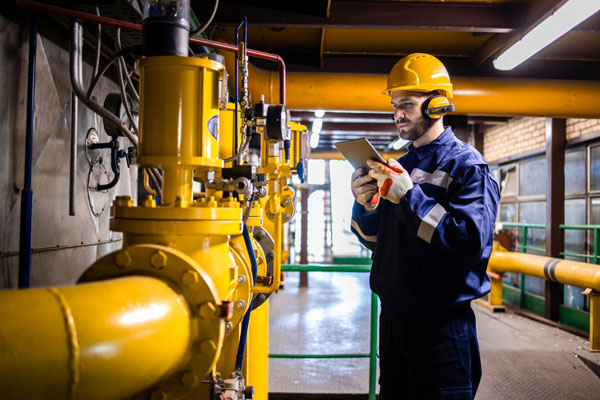
To solve this problem, industries rely on Gas Analysers. These smart instruments act as the “nose” of the facility, constantly sniffing the air to find harmful substances. By providing accurate data, these devices help managers make quick decisions that save lives and protect equipment. In this guide, we will explore why having a high-quality industrial gas analyser is essential for a modern, safe workplace.
What Are Industrial Gas Analysers?
• Detection: They look for oxygen levels, toxic gases (like carbon monoxide), and combustible gases (like methane).
• Measurement: They don’t just say “there is gas”; they tell you exactly how much is there, usually in parts per million (ppm) or percentage volume.
• Purpose: These tools are used for worker safety, ensuring industrial processes are working right, and checking that the factory isn’t polluting the environment.
• Technology: Most modern systems use electronic sensors that send data to a digital display or a central control room.
Why Gas Monitoring is Important in Industries
Industries Using Gas Analysers
- Chemical Industries: Monitoring reactive gases used in manufacturing.
- Oil and Gas Plants: Detecting leaks and flammable vapors at every stage.
- Pharmaceutical Industries: Ensuring the air in laboratories stays sterile and safe.
- Food Processing Plants: Monitoring carbon dioxide or nitrogen used in packaging.
- Water Treatment Facilities: Checking for chlorine or ozone used in purification.
- Manufacturing Industries: Detecting fumes from welding, painting, or heavy machinery.
How Gas Analysers Improve Workplace Safety and Monitoring
Detect Harmful Gas Leaks Early
A gas analyser can find a leak long before a human could. Early detection allows the maintenance team to fix the problem while it is still small. This prevents the gas from building up to a level where it could cause an illness or a fire.
Improve Worker Safety
By using a toxic gas analyser, companies can monitor for substances like hydrogen sulfide or chlorine. If the levels get too high, the device can trigger an alarm, telling workers to put on safety gear or leave the area immediately.
Support Continuous Air Monitoring
Workplace safety isn’t a one-time check. An industrial safety monitoring system works 24 hours a day. It provides a constant stream of data, ensuring that the air quality remains safe during every shift, including nights and weekends.
Prevent Fire and Explosion Risks
Combustible gases are a major risk in oil and gas plants or mines. Gas analysers are programmed to watch for these specific threats. They can be linked to ventilation systems to automatically turn on fans if a gas build-up is detected.
Help Maintain Regulatory Compliance
Safety inspectors look for proof that a company is monitoring its air quality. A gas monitoring instrument with data logging features keeps a record of gas levels, making it easy to prove that the workplace follows all safety standards.
Improve Process Efficiency
Sometimes, gas levels tell you how well a machine is working. For example, if a boiler is producing too much carbon monoxide, it means it isn’t burning fuel efficiently. Monitoring helps you tune your equipment for better performance.
Reduce Downtime and Emergency Risks
Emergencies are expensive and scary. By monitoring gas levels, you can prevent the “surprises” that lead to factory shutdowns. Regular monitoring allows for planned maintenance instead of emergency repairs.
Types of Gases Monitored by Gas Analysers
| Gas Type | Common Use | Safety Purpose |
| Oxygen ($O_2$) | All workplaces | Detects “oxygen deficiency” which can cause fainting. |
| Carbon Monoxide ($CO$) | Warehouses with forklifts | Detects toxic exhaust fumes that have no smell. |
| Hydrogen Sulfide ($H_2S$) | Oil rigs and sewers | Detects “rotten egg” gas that is highly poisonous. |
| Methane ($CH_4$) | Energy plants | Detects highly flammable natural gas to prevent explosions. |
| Ammonia ($NH_3$) | Cold storage / Fertilizers | Detects leaks in cooling systems that can irritate lungs. |
| Chlorine ($Cl_2$) | Water treatment | Detects toxic gas used for cleaning water. |
How to Choose the Right Gas Analyser
- Gas Type to Monitor: Does the device detect the specific gases found in your workplace?
- Detection Range: Can it measure very small amounts (ppm) or just large leaks?
- Installation Environment: Is the area wet, dusty, or very hot? You need a device with a strong “IP” rating to survive.
- Portable or Fixed: Do you need workers to carry them, or do you want a permanent gas detection system?
- Alarm Systems: Are the alarms loud enough to be heard over heavy machinery?
- Maintenance Support: Is it easy to find replacement sensors and get the device serviced?
Maintenance Tips for Gas Analysers
- Regular Calibration: Sensors “drift” over time. Compare your device against a “span gas” of a known concentration to keep it accurate.
- Sensor Cleaning: Dust and oil can block the sensor. Keep the outer casing clean with a dry cloth.
- Battery Inspection: For portable units, check the battery health so the device doesn’t die in the middle of a shift.
- Alarm Testing: Periodically trigger a test to make sure the sirens and lights still work.
- Scheduled Servicing: Have a professional technician inspect the internal electronics at least once a year.
Portable vs. Fixed Gas Analysers
| Feature | Portable Gas Analyser | Fixed Gas Analyser |
| Movement | Handheld; moves with the worker. | Bolted to a wall or ceiling. |
| Coverage | Monitors the “breathing zone” of one person. | Monitors an entire room or area. |
| Best For | Confined spaces and inspections. | Constant 24/7 area safety. |
| Power | Battery operated. | Wired into the building’s power. |
| Alarms | Vibrates or makes sound near the user. | Loud sirens and flashing lights for everyone. |
FAQs
They are used to measure the concentration of specific gases in the air to ensure the safety of workers and the efficiency of industrial processes.
It protects employees from breathing toxic fumes, prevents fires by detecting flammable gases, and helps companies follow environmental laws.
They are used in oil and gas, chemical plants, mining, water treatment, food packaging, and any factory that uses heavy machinery or chemicals.
They can detect hundreds of gases, including oxygen, carbon monoxide, methane, hydrogen sulfide, chlorine, and ammonia.
Most manufacturers recommend “bump testing” every day and full calibration every 3 to 6 months, depending on the environment.
You should choose based on the specific gases you need to find, whether you need a portable or fixed unit, and the toughness of your workplace environment.
Conclusion
In the modern industrial world, safety and monitoring go hand-in-hand. Gas Analysers provide the critical data needed to keep a workplace running smoothly and safely. By detecting leaks early, preventing explosions, and protecting workers from toxic air, these instruments are much more than just “tools”—they are essential safety partners.
Investing in a high-quality industrial gas analyser system shows that a company values its people and its future. When the air is safe, the work can continue without fear.