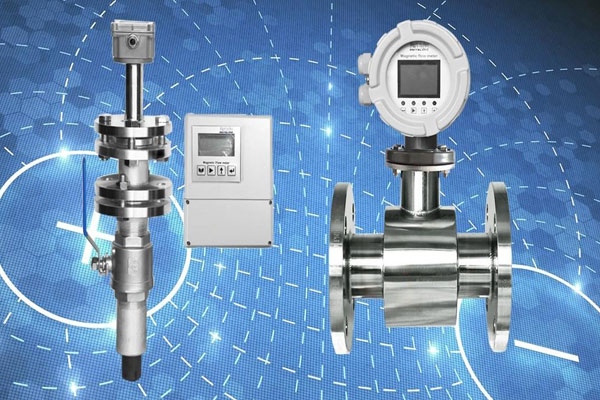
Reliable Electromagnetic Flow Meters
Industrial tanks are the heart of many manufacturing plants, holding everything from clean drinking water to harsh, dangerous chemicals. Managing these liquids properly is absolutely essential for your daily operations. This is exactly why tank level monitoring is incredibly important in industries today. If a factory relies on guesswork or manual checks, it is only a matter of time before a costly mistake happens.
Making a poor decision when setting up your equipment can lead to disaster. A wrong switch selection can cause massive tank overflows, dry running that completely destroys expensive pumps, and serious process issues that halt production. To keep your facility running smoothly, safely, and efficiently, there is a strong need to choose the Best Level Switch tailored specifically for each unique tank application. In this detailed guide, we will walk you through everything you need to know to make the smartest, safest choice for your business.
What is a Level Switch?
Before diving into how to choose one, it is important to understand what this equipment actually does. A Tank level switch is a specialized sensor device used to detect the exact liquid or dry material level inside a storage container.
Unlike a continuous level transmitter that tells you if a tank is 43% or 87% full, a switch is much simpler. It gives a direct ON/OFF signal at a preset level. When the liquid rises up and touches the switch, or drops below the switch, it instantly sends an electrical signal. Because of this fast, reliable action, it is heavily used for overflow control, pump automation, and triggering loud safety alarms. Today, you will find a Tank level monitoring switch serving as a critical safety net in the water, chemical, oil, and food industries worldwide.
Why Choosing the Right Level Switch Matters
Industries Using Level Switches
- Water treatment plants: Controlling the massive flow of city drinking water and dirty wastewater.
- Chemical industries: Safely monitoring highly reactive acids, solvents, and alkaline solutions.
- Food and beverage plants: Measuring milk, cooking oils, fruit juices, and thick liquid sugars in clean environments.
- Oil storage tanks: Keeping track of diesel, gasoline, and heavy crude oil in explosive zones.
- Pharmaceutical units: Ensuring pure, sterile liquids are kept at exact levels for medicine production.
- Agriculture systems: Automating the filling of large irrigation tanks and liquid fertilizer silos on farms.
How to Select the Best Level Switch for Your Tank Application
Selecting the right equipment requires looking closely at your specific factory conditions. Here are the most important factors you must consider to find the perfect solution.
Identify the Material Type
The very first step is to know exactly what is inside your tank. Are you measuring clean water, thick oil, a harsh chemical, heavy slurry, or a dry powder? Some switches work perfectly in water but fail completely in thick oil. Knowing your material type narrows down your choices immediately.
Know Tank Size and Shape
You must measure your container accurately. Take note of the height, width, and the available mounting space on the tank. A massive, deep underground concrete tank will require a very different switch setup than a small, one-meter-tall plastic chemical dosing tank.
Check Temperature and Pressure
This is incredibly important for industrial tanks. A switch that works fine at room temperature might melt or shatter if placed in a tank holding boiling water or high-pressure steam. Always check that the switch’s temperature and pressure ratings match your daily operating conditions.
Understand Liquid Properties
Look closely at how your liquid behaves. Is it highly conductive like saltwater? Is it sticky like honey? Is it highly corrosive like sulfuric acid, or does it create a thick layer of foam on top? For example, a sticky liquid will gum up moving parts, meaning you need a switch with a smooth, stationary sensor.
Choose Correct Switch Type
Once you know your liquid and tank details, you can choose the right technology. Your options usually include a standard Float level switch, a modern Capacitance level switch, a vibrating fork, or a magnetic switch. Match the technology to the liquid’s properties for the best results.
Select Proper Mounting Position
Where will the switch go? You need to decide on a top, side, or bottom mounting position. This often depends on where your tank has an opening. Side mounting is great for high/low alarms, while top mounting is often used for deep tanks where the switch hangs down on a cable or long rod.
Consider Output and Control System
Finally, think about what the switch needs to talk to. Does it need to connect to a simple relay to turn on a light? Or does it need to send a signal to an advanced PLC (Programmable Logic Controller) system for complex factory automation? Ensure the electrical output matches your control room requirements.
Common Types of Level Switches
| Type | Best For | Key Benefit |
| Float Level Switch | Clean water and simple liquid tanks. | Very simple, highly economical, and easy to install. |
| Capacitance Level Switch | Chemicals, oils, and high-temp liquids. | Solid-state design with absolutely no moving parts to break. |
| Vibrating Fork Switch | Dry powders, sticky liquids, and syrups. | Highly reliable sensing that ignores foam and bubbles. |
| Magnetic Level Switch | Heavy industrial tanks and harsh environments. | Delivers incredibly durable and long-lasting performance. |
Common Mistakes to Avoid
- Wrong material compatibility: Buying a cheap stainless steel switch and putting it into a tank of strong acid will cause the metal to dissolve in days. Always match the switch material (like Teflon or plastic) to the chemical.
- Ignoring temperature rating: Installing a standard plastic switch in a hot boiler tank will cause it to melt and fail instantly.
- Wrong mounting point: Placing a switch directly under the heavy flow of the inlet pipe will cause false alarms as the splashing water hits the sensor.
- Cheap low-quality product: Trying to save a few dollars on an unbranded switch usually leads to expensive factory shutdowns later.
- No maintenance planning: Even the best equipment needs to be wiped clean occasionally, especially if used in dirty or sticky liquids.
How to Choose Level switch manufacturer
- Product quality: The manufacturer should use premium metals, tough plastics, and highly reliable internal electronics.
- Technical support: They should have a team of engineers ready to answer your questions and help you pick the perfect switch.
- Industry experience: A brand that has been solving complex industrial problems for years knows exactly what works and what fails.
- Custom options: If you have an unusually deep tank or a strange chemical, they should be able to custom-build a switch just for you.
- Fast delivery: When a switch breaks, your factory stops. A great supplier delivers replacement parts quickly to minimize your downtime.
FAQs
For a standard, clean water tank, a Float level switch is usually the best choice. It is highly affordable, very simple to install, and provides incredibly reliable performance for basic water applications.
A Capacitance level switch or an ultrasonic switch is generally best for harsh chemicals. Because they do not have moving mechanical parts, they do not get gummed up or easily corroded by strong chemical liquids.
When the liquid rises and touches the high-level switch near the top of the tank, the switch sends an immediate electrical signal to automatically shut off the filling pump or close the inlet valve.
Yes, absolutely. Modern industrial switches can easily be wired into your factory’s central PLC (Programmable Logic Controller) to trigger complex automated routines, sound alarms, and control multiple pumps simultaneously.
You choose the position based on your tank’s physical design. If you only have access to the top of the tank, a top-mounted rod or cable switch is required. If the tank is tall and easily accessible from the outside, side mounting is often easier for maintenance.
You can purchase highly durable, accurate, and customized level switches directly from Aranka Instruments, a trusted manufacturer known for delivering top-tier industrial monitoring solutions.
Conclusion
Managing your industrial liquids safely does not have to be a stressful or risky job. By taking the time to understand your unique factory conditions, you can easily find the perfect equipment. The importance of selecting the correct type, ensuring strict material compatibility, and performing a proper installation cannot be overstated. A smart choice protects your expensive pumps, prevents dangerous chemical spills, and keeps your entire production line running without interruption. We highly encourage all factory managers to seek expert consultation before buying to ensure they get the exact right tool for the job.